It’s Not Just About Scheduling: How Gathering Apps Actually Helped Me Stay Close to Friends
We’ve all been there—texting back and forth for days, trying to pick a date, time, and place that works for everyone. What should be fun starts to feel like work. I used to think planning hangouts was just a hassle, until I started using the right tools differently. These apps didn’t just save me time—they helped me actually enjoy staying connected. Let me tell you how something as simple as a plans app changed not just my schedule, but my friendships. It wasn’t magic, and it wasn’t complicated. It was about using everyday technology in a more thoughtful way—one that put people, not logistics, at the center.
The Hidden Stress of Keeping Friendships Alive
Let’s be honest: staying close to friends as we get older isn’t easy. Life gets busy. There are kids to pick up from school, meals to prepare, work deadlines that don’t care about your social calendar. And even when you want to meet up, the process of actually making it happen can feel overwhelming. You start a group chat: “Hey, anyone free next week?” Then days go by. Someone says Thursday but can’t make dinner. Another says Friday but only for coffee. Suddenly, two weeks have passed, and no one’s seen each other. The energy it takes to coordinate just one simple hangout can drain the joy right out of the idea.
I remember a time when my closest friends and I hadn’t seen each other in months. We all lived within 20 minutes of each other, but between work shifts, family obligations, and the chaos of daily life, we kept saying, “We should really get together soon.” But “soon” never came. And the longer we waited, the more awkward it felt to reach out. It wasn’t that we didn’t care—we did. We loved each other. But the emotional effort of planning made it easier to just… let it go.
This isn’t laziness. This is what happens when connection requires too much friction. We weren’t failing at friendship—we were failing at logistics. And over time, that silence starts to feel like distance. You start wondering: Did I say something wrong? Are they busy with other people? Do they even want to see me? The truth is, most of us are just trying to keep our heads above water. And when something as simple as coffee with a friend feels like a project, it’s the first thing we drop.
But here’s what I’ve learned: the problem isn’t that we’re too busy. It’s that we’re using the wrong tools—or worse, no tools at all. We rely on memory, last-minute texts, and vague promises. And when those fail, we blame ourselves or assume our friends don’t care. But the reality is, we all want to stay close. We just need a better way to make it happen without burning out in the process.
Why Most People Misuse Planning Apps
Most of us have planning apps on our phones. Maybe it’s the calendar, a group chat, or even a simple notes app where someone jots down “Dinner? TBD.” But here’s the thing: we use them like transactional tools, not relational ones. We treat them like a grocery list: “Check off the friend hangout.” We send a message at the last minute, hoping someone will say yes. If no one responds, we take it personally. Or worse, we don’t even try, because we assume no one will be free.
I used to do this all the time. I’d text a group on Thursday night: “Want to do something this weekend?” And if no one replied right away, I’d assume they weren’t interested. But the truth? They were probably just busy, tired, or didn’t have a second to think about plans. My last-minute ask wasn’t helping—it was adding pressure. And when the message went unanswered, I felt rejected, even though no one had actually said no.
The problem isn’t the app. It’s how we use it. When we treat planning like an emergency task, we make it feel urgent and stressful. But friendship isn’t urgent. It’s important. There’s a difference. Urgent things make us react. Important things we make time for. So instead of asking, “Who’s free this weekend?” what if we started with, “Let’s find a time that works for all of us—no rush”? That small shift in tone changes everything.
And here’s another truth: technology doesn’t kill warmth. People do. When we use apps coldly—just dropping a time and place without context—we make the interaction feel cold. But when we use them with intention, they can actually deepen connection. Think about it: when someone shares a calendar invite with a cute note like “Can’t wait to catch up! I’ll save you a seat,” it feels personal. It feels seen. The app didn’t create that warmth—the person did. But the app made it easier to express it.
Turning Planning into a Shared Experience
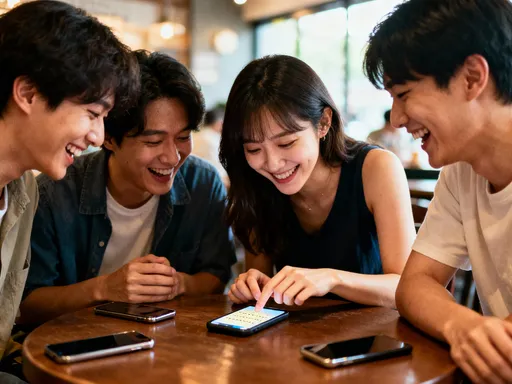
What if planning wasn’t the obstacle to connection—but part of the connection itself? That’s the shift that changed everything for me. I started using apps that let us vote on dates, share preferences, and even react with emojis. Instead of a boring “Are you free?” message, I’d drop a poll: “Tacos or Thai? Vote now!” Suddenly, the group chat came alive. We weren’t just scheduling—we were interacting.
One of my friends started a tradition where she adds a fun question to every plan: “If you could teleport to any city for dinner, where would you go?” It sounds silly, but it made us laugh, share dreams, and reconnect before we even met. The app became a space where our friendship lived, not just a tool to book time. We weren’t waiting for the hangout to start having fun—we were already having fun while planning it.
Another time, we were trying to pick a date for a weekend brunch. Instead of endless back-and-forth, I used a scheduling app that showed everyone’s availability. I shared the link, and within hours, we had three options with the most votes. No one had to keep checking their calendar. No one felt pressured to respond immediately. It was low-pressure, collaborative, and actually kind of fun. One friend said, “This feels like we’re a team again.” And that’s exactly what it was—teamwork, made easy.
When we treat planning as a shared experience, it stops being a chore. It becomes a way to check in, stay involved, and keep the thread of connection alive. And the best part? It doesn’t require anything fancy. A simple poll, a shared calendar, or even a playful message can turn a logistical headache into a moment of joy.
Small Features, Big Emotional Payoffs
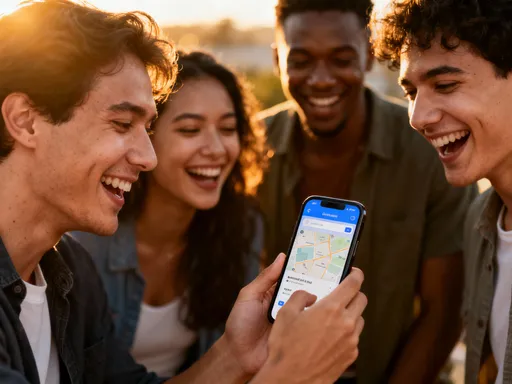
Sometimes, the smallest features in an app make the biggest difference. Take location sharing, for example. I used to hate being late, so I started using the feature that lets you share your real-time location when you’re on your way. At first, I worried it was too much. But my friends loved it. “Now I know you’re really coming!” one said. “It just feels safer and more reliable.” That tiny bit of transparency built trust. It said, “I’m thinking of you. I’m on my way. I haven’t forgotten.”
Then there are reminder nudges. Not the annoying ones that pop up 10 times, but the gentle ones—like a soft notification that says, “Your coffee date is tomorrow at 10!” I started using these not just for myself, but for my friends. When one friend kept missing plans because she was overwhelmed with her kids’ schedules, I sent her a kind reminder: “Just a heads-up—our walk is tomorrow! I’ll bring the tea.” She texted back, “Thank you. I’ve been so scattered, and this made me feel cared for.” That’s the power of a simple feature used with care.
And what about food preferences? I now keep a note in our group chat: “Jen—gluten-free. Maria—no seafood. Anna—loves dessert.” When I suggest a place, I make sure it works for everyone. It’s a small thing, but it sends a message: “I see you. I remember what you like.” These aren’t grand gestures. They’re quiet acts of attention. And in a world where we all feel invisible sometimes, being seen—even in how we plan dinner—means everything.
Technology, when used with empathy, becomes an extension of care. It’s not about replacing human warmth. It’s about making it easier to express. A reminder isn’t cold automation—it’s someone saying, “I didn’t want you to miss this.” A poll isn’t impersonal—it’s an invitation to be part of the decision. These tools don’t remove the human touch. They amplify it.
Building Skills That Strengthen Relationships
Here’s something surprising: using these apps well actually made me a better friend. I started paying more attention to patterns. If someone kept saying “I’m fine” but never picked a date, I’d check in: “Hey, no pressure, but is everything okay?” More than once, the answer was “I’ve been really stressed, but I didn’t want to cancel.” That opened up real conversations—ones we might have missed if I’d just assumed they weren’t interested.
The apps didn’t teach me emotional intelligence, but they highlighted where I needed to grow. I used to push for plans when someone was clearly busy. Now, I pause. I ask, “What would feel manageable for you?” I’ve learned to read between the lines—not just in texts, but in energy levels, in tone, in what’s not said. And that’s made me more patient, more present, and more compassionate.
One friend was going through a tough time after her mom passed. She wasn’t ready to be social, but she didn’t want to disappear either. So we started using a simple check-in app—just a daily emoji to say how we’re feeling. No pressure to talk. Just a tiny connection. On days she sent a sad face, I’d reply with a heart. On good days, we’d plan a short walk. It wasn’t much, but it kept us close when words were hard.
Technology didn’t fix her grief. But it gave us a gentle way to stay connected. And that taught me something powerful: the best tools don’t do the work for us. They help us do the work better. They don’t replace presence—they support it. And in doing so, they help us build deeper, more resilient friendships.
Making It Work for Your Real Life
You don’t need to overhaul your entire life to make this work. Start small. Pick one app you already use—maybe your calendar, your messaging app, or a simple planning tool. Choose one feature you’ve never tried. Maybe it’s setting a recurring event for a monthly friend walk. Maybe it’s creating a shared list of restaurants you want to try. Maybe it’s using a poll for your next book club pick.
Invite your group to play with it. Say, “Let’s try something new—just for fun.” Don’t frame it as, “We need to get better at planning.” Frame it as, “Let’s make this easier and more joyful.” The goal isn’t perfection. It’s progress. It’s about removing friction so connection can flow more naturally.
And remember: consistency beats complexity. It’s better to have a simple, regular check-in than a perfect, once-a-year reunion. One of my friends started a “Sunday night share” in our group—just one photo or thought from the week. Sometimes it’s a sunset, sometimes it’s a messy kitchen, sometimes it’s “I survived another Monday.” But it keeps us feeling part of each other’s lives, even when we can’t meet.
The key is to use tech with heart. Ask yourself: does this tool help me show up for my friends? Does it make it easier to be thoughtful, inclusive, and kind? If yes, keep going. If not, try something else. This isn’t about the app. It’s about the intention behind it.
Reconnecting Isn’t Luck—It’s Design
Strong friendships don’t survive on chance. They thrive on design. On small, intentional choices that add up over time. We used to think connection happened naturally. But in real life, it takes effort—smart, gentle, consistent effort. And the right technology, used with care, can be one of our most powerful allies.
It’s not about replacing spontaneity. It’s about making space for it. When we stop wasting energy on logistics, we have more room for laughter, for deep talks, for the magic of being together. The app didn’t save my friendships. I did. But it gave me the tools to do it with less stress and more joy.
Today, my friends and I still use planning apps. But we don’t just use them to pick dates. We use them to stay close. To remember each other. To say, in a hundred small ways, “You matter.” And that’s the real win—not that we finally found a time to meet, but that we never stopped trying.
So if you’ve been feeling distant from someone you care about, don’t wait for the perfect moment. Use the tools you already have to create one. Send the invite. Start the poll. Share the reminder. Let technology do the heavy lifting, so you can focus on what really matters—the connection. Because friendship isn’t about how often you meet. It’s about how seen you feel when you do. And sometimes, the simplest app can help you feel seen in the most meaningful way.