I’ll write it down later never happened: How voice-to-text quietly rebuilt my daily rhythm
Life slips through the cracks when you’re busy chasing time. I used to tell myself, “I’ll remember that idea,” or “I’ll jot that down later.” Spoiler: I never did. Important thoughts faded, to-do lists grew longer, and my days felt chaotic. Then I started speaking instead of writing—just talking to my phone. That small shift didn’t just save time. It reshaped my mornings, calmed my mind, and brought order to the beautiful mess of everyday life. This is how voice-to-text became my invisible routine architect.
The Lie We All Tell Ourselves: “I’ll Remember It Later”
How many times have you stood in the kitchen, mentally listing dinner ingredients, only to get to the store and draw a blank? Or had a brilliant idea while folding laundry, promising yourself, “I’ll write it down after,” only to realize hours later that the spark is gone? I’ve lived that cycle for years—trusting my memory like it was unshakable, only to watch it crumble under the weight of daily noise. The truth is, our brains weren’t built to hold everything. They’re designed to process, feel, imagine—not serve as storage units for grocery lists, school project deadlines, and doctor’s appointment times.
I remember one particularly frustrating afternoon. I was driving home after picking up the kids, mentally rehearsing a work email I needed to send, a birthday gift I wanted to order, and a recipe idea my sister had mentioned. By the time I pulled into the driveway, two of the three were gone. Vanished. I sat there, engine off, feeling defeated. Not because the tasks were hard, but because I’d already failed at remembering them. That’s when I realized: the real problem wasn’t my memory. It was my method. I was relying on an outdated system—mental notes and delayed writing—when a better solution was already in my pocket.
That evening, I tried something simple. While making tea, I said out loud, “Note to self: order birthday gift for Mom, email Sarah about the school fundraiser, and find that lentil soup recipe.” I tapped the microphone on my phone and spoke those words into a voice memo. Just like that, they were saved. No typing, no pausing my evening, no mental strain. And something shifted. It wasn’t just about capturing the tasks—it was about releasing them. I didn’t have to hold onto them anymore. They were out of my head and into a place where I could find them later. It felt like exhaling after holding my breath for too long.
That moment taught me that “I’ll remember it later” is a lie we tell ourselves to avoid the small effort of acting now. But voice-to-text made that effort nearly invisible. It didn’t ask me to stop what I was doing. It didn’t demand perfect spelling or neat formatting. It just asked me to speak—something I was already doing anyway. And in that simplicity, I found relief. The clutter in my mind began to clear, not because I was doing less, but because I’d stopped trying to carry it all at once.
From Chaos to Calm: How Speaking Replaced My Endless Lists
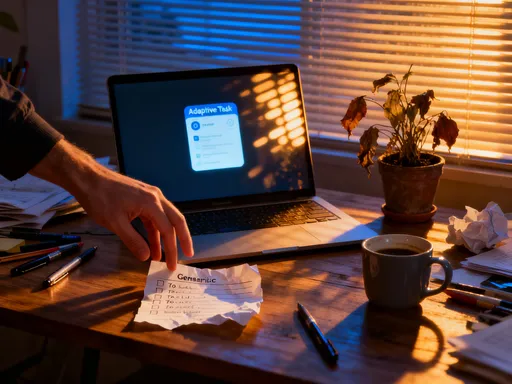
Before voice-to-text, my life was a mosaic of sticky notes. On the fridge. On the bathroom mirror. Taped to my laptop. I had lists in my phone, lists in my planner, lists scribbled on napkins. And still, things fell through. I’d write “call dentist” at 7 a.m., only to see it at 9 p.m. with a pang of guilt. The act of writing felt like a chore—something else to do in a day already overflowing with tasks. I’d try to type while stirring dinner, only to burn the onions. Or I’d pause during a phone call with my mom to jot down a reminder, missing half of what she said. The system wasn’t helping—it was adding stress.
Then I started using my voice. At first, it felt strange, almost performative. Talking to my phone? Was I becoming one of those people? But within days, it became natural. While walking the dog, I’d say, “Add dog food to cart, schedule vet check-up, reply to teacher’s email.” While unloading the dishwasher, “Buy new sponges, book haircut, remind Dad about Sunday lunch.” No multitasking. No stopping. Just speaking, as if I were telling a friend. And the best part? I could keep moving. Life didn’t have to pause for me to stay organized.
The emotional shift was surprising. I didn’t just save time—I felt calmer. There was no more frantic searching for where I’d written something. No more second-guessing whether I’d remembered to add an item. My mind stopped buzzing with “Did I…?” questions. Instead, I could focus on the moment—on my child’s story about school, on the taste of my morning coffee, on the warmth of the sun during my walk. The mental space that opened up felt like a gift. I wasn’t doing anything new, but I was experiencing life differently.
And it wasn’t just about tasks. I started using voice notes for ideas, too. A book title I wanted to read. A gift idea for my niece. A quote that moved me. I’d speak them into my phone while folding laundry or waiting in the school pickup line. Later, I’d listen back during my commute or while cooking dinner. It became a personal idea journal—effortless, intimate, and always with me. The chaos didn’t disappear, but it stopped ruling me. I had a system that worked with my life, not against it.
The Morning That Changed Everything: A Voice-First Routine
It started on a rainy Tuesday. My alarm went off, and instead of groaning and reaching for my phone to check emails, I sat up, made my coffee, and said, “Hey, note: today’s priorities.” I listed them out loud—“Finish project draft, call insurance, pack lunches, plan weekend menu”—as I stirred honey into my mug. Then I played back yesterday’s voice notes, like a personal morning briefing. I heard myself say, “Don’t forget to confirm the pediatrician appointment,” and smiled. I hadn’t forgotten. In fact, I’d already rescheduled it the night before.
That morning felt different. Slower. Clearer. I wasn’t reacting to a flood of notifications. I was setting the tone for my day. I checked the weather by voice: “What’s the forecast for today?” I asked my calendar: “What’s on my schedule?” All without typing a single letter. I even sent a quick voice message to my sister: “Hey, can you bring the photo albums this weekend?” She replied with a voice note too—her laugh warm and familiar in the early quiet.
This voice-first morning routine became my anchor. No more rushing into the day blind. No more feeling behind before I’d even brushed my teeth. By speaking my intentions aloud, they felt more real, more committed. It was like making a promise to myself—one I could actually keep. And because I wasn’t buried in my screen, I could actually enjoy the morning. I noticed the light through the window. I listened to the kids’ sleepy chatter. I sipped my coffee while it was still hot.
What surprised me most was how this small change rippled through the rest of my day. When I started with clarity, I stayed focused. When I began with calm, I responded to stress with more patience. The voice routine didn’t just organize my tasks—it shaped my mindset. It turned the most chaotic part of the day into a moment of peace. And the best part? It took less than ten minutes. No apps to learn. No complicated systems. Just me, my voice, and the quiet power of speaking my truth before the world woke up.
Family Life, Simplified: Sharing the Rhythm
One of the most beautiful side effects of using voice-to-text was how it brought our family closer. We stopped relying on frantic group texts and forgotten sticky notes. Instead, we started sharing voice notes like little audio postcards. My husband began sending me grocery lists while he was at the gym: “Pick up olive oil, whole wheat pasta, and those apple snacks the kids like.” I could hear the clink of weights in the background. It felt more personal than a typed list.
Our teenage daughter started dictating her book reports while walking home from school. She’d say, “Okay, for my English assignment: three themes in *To Kill a Mockingbird*—justice, empathy, and growing up.” Later, she’d listen back and turn it into her essay. She said it helped her think out loud, like having a conversation with herself. Even our younger son got in on it. He’d leave me voice messages before bed: “Mom, I need blue paper for art tomorrow. And I love you.” I’d save those ones. They’re still in my inbox, like tiny treasures.
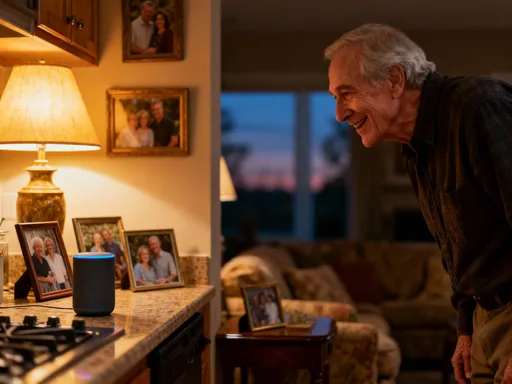
But the real magic happened with my parents. My mom has arthritis and finds typing painful. My dad isn’t comfortable with smartphones. So when I suggested they try voice messages, it was a game-changer. Now, instead of struggling with texts, they leave us little audio updates: “We’re at the garden center, thinking of buying tulip bulbs—do you want some?” or “Your cousin’s baby took her first steps today!” Hearing their voices, their laughter, their little pauses as they gather thoughts—it’s so much richer than text. It’s connection, not just communication.
We even created a shared family voice note every Sunday night. Everyone adds a quick update—what we’re grateful for, what we’re looking forward to, any reminders. It’s become our modern version of the family dinner check-in. No pressure. No screens. Just voices, weaving together the threads of our week. It’s not about efficiency—it’s about presence. And in a world that often pulls us apart, that small ritual keeps us tied together.
At Work, I Stopped Typing and Started Thinking
I used to think productivity at work meant typing fast. Responding quickly. Filling my inbox with perfectly crafted emails. But the truth? I was spending so much energy on the mechanics of writing that I had little left for actual thinking. My best ideas came during walks or showers—moments when I wasn’t at my desk. And by the time I got back to type them up, they’d lost their spark.
Then I started dictating work notes. During my commute, I’d say, “Draft email to team: let’s move the meeting to Thursday and include the budget review.” Later, I’d review it, make small edits, and send. I began recording meeting summaries right after calls: “Key decisions: approve Phase One, assign leads by Friday, schedule client follow-up.” No more frantic scribbling. No more misremembering action items. My notes were clearer, more complete, and saved me hours of cleanup time.
But the real change was in my thinking. When I spoke my ideas out loud, they became more coherent. I could hear where my logic stumbled. I’d catch myself saying, “We should probably consider—” and then pause, rethink, and start again. It was like having a conversation with my smarter self. Creativity flowed better. Problem-solving felt less like a grind. I wasn’t just documenting—I was developing ideas in real time.
My colleagues noticed. “Your emails are so clear lately,” one said. Another commented, “You always seem prepared in meetings.” I wasn’t working harder—I was working smarter. Voice-to-text gave me back the mental space to focus on what mattered: strategy, collaboration, quality. It didn’t replace writing—it elevated it. I still type when precision matters. But now, I use voice to think, to explore, to create. And that shift has made all the difference.
Building a Life Rhythm: Small Voices, Big Changes
Looking back, I realize that voice-to-text didn’t just change how I organize—it changed how I live. Each voice note was a small act of intention. A way of saying, “This matters. I don’t want to lose it.” Over time, those small acts built a rhythm. A structure that wasn’t rigid, but fluid. One that moved with me, not against me.
I no longer fear the shower idea, the midnight thought, the sudden inspiration during a walk. I welcome them. I speak them into existence. And in doing so, I’ve created a life that feels more complete. Tasks get done, not because I’m perfect, but because I have a system that catches what I used to drop. Ideas are captured, not because I have a photographic memory, but because I’ve learned to trust my voice.
The technology itself has faded into the background. I don’t think about the app or the microphone. I just speak. It’s become as natural as breathing. And that’s the beauty of it—it doesn’t feel like tech. It feels like living. It’s not about doing more in less time. It’s about doing what matters, with presence, with peace.
My days still have chaos. Kids still spill juice. Deadlines still loom. But now, I meet them with a quiet confidence. I know I can handle it. Because I’m not trying to hold it all in my head anymore. I’ve learned to let my voice carry the weight. And in that release, I’ve found more room—for joy, for connection, for simply being here.
Your Voice, Your Life: Why This Isn’t Just About Efficiency
If you’d told me a year ago that talking to my phone would change my life, I’d have laughed. But it did. Not because of any fancy feature or futuristic promise. Because it helped me reclaim my attention. My focus. My peace.
This isn’t just about saving time. It’s about giving time—to the people I love, to the work I care about, to myself. It’s about being present instead of distracted. About thinking instead of reacting. About living with intention instead of just surviving the day.
Your voice is powerful. It carries your thoughts, your feelings, your dreams. Don’t let them vanish because you didn’t write them down. Speak them. Save them. Let them shape your days. Let them remind you that you’re not meant to remember everything—you’re meant to live fully.
Start small. Next time you think, “I’ll remember that later,” pause. Pull out your phone. Say it out loud. Let the tech do the remembering, so you can do the living. Because your voice isn’t just sound. It’s the quiet architect of a life that flows, not fights. And that? That’s something worth speaking up for.