What I Learned About Eating Right — Simple Swaps That Actually Work
You’ve probably heard that what you eat matters, but the real game-changer isn’t just food choice—it’s how you combine them. For years, I felt tired and sluggish no matter what I ate—until I realized my meals were missing balance. Once I adjusted my dietary combinations, energy levels rose, digestion improved, and cravings faded. This isn’t about strict diets; it’s about smarter eating habits that fit real life. The shift didn’t require drastic changes, expensive supplements, or eliminating entire food groups. It came down to understanding how foods interact in the body and making simple, science-backed adjustments. What I discovered was not a trend, but a sustainable approach to nourishment—one that honors both health and enjoyment.
The Hidden Problem in Your Daily Meals
Many women in their 30s, 40s, and 50s eat what they believe are healthy meals—oatmeal with banana, turkey sandwiches on whole grain, or grilled fish with steamed vegetables—yet still feel drained, bloated, or irritable by mid-afternoon. The root of the issue often lies not in the individual foods, but in how they are combined. Even nutrient-dense ingredients can underperform when paired incorrectly. For example, drinking orange juice with a bowl of fortified cereal may seem like a vitamin-rich breakfast, but the high sugar content from the juice can cause a rapid spike in blood glucose, followed by a crash that leaves you reaching for coffee or a snack by 10:30 a.m.
Digestive discomfort, fatigue, and mood fluctuations are common signs of poor food combining. While the body is resilient, it operates most efficiently when meals are structured to support natural metabolic processes. One overlooked principle is nutrient synergy—the way certain nutrients enhance each other’s absorption when eaten together. Vitamin C, for instance, significantly increases the body’s ability to absorb non-heme iron (the type found in plant foods like lentils and spinach). Without a source of vitamin C in the same meal, much of that iron passes through unused. Similarly, fat-soluble vitamins like A, D, E, and K require dietary fat to be properly absorbed. Eating a salad of raw carrots and kale without oil means your body may not access their full nutritional potential.
On the other hand, some combinations can actively hinder digestion or nutrient uptake. Pairing high-calcium foods like yogurt or cheese with spinach—rich in oxalic acid—can reduce calcium absorption because oxalates bind to calcium, making it less available. Likewise, consuming tea or coffee with meals can inhibit iron absorption due to tannins. These interactions are not about labeling foods as “bad,” but about timing and pairing them wisely. Recognizing these hidden dynamics allows for meals that not only taste good but also function optimally within the body.
Why Dietary Combination Matters More Than You Think
Digestion is more than a mechanical process—it’s a carefully orchestrated biochemical event. When food enters the stomach, the body releases specific enzymes and adjusts pH levels depending on the type of nutrient present. Proteins require an acidic environment for breakdown, while carbohydrates begin digestion in the mouth with alkaline enzymes in saliva. When proteins and starches are consumed together in large quantities—such as a steak with a baked potato—the digestive system can become conflicted, leading to slower processing, gas, and bloating for some individuals. While not everyone experiences noticeable discomfort, the inefficiency can still affect energy availability and nutrient extraction.
Blood sugar regulation is another critical factor influenced by food combinations. Meals high in refined carbohydrates without protein or fat lead to rapid glucose spikes, followed by sharp drops that trigger hunger, irritability, and fatigue. This cycle contributes to long-term metabolic stress and increases the risk of insulin resistance over time. Research published in journals such as The American Journal of Clinical Nutrition has shown that balanced meals—those containing protein, fiber, and healthy fats—result in more gradual glucose absorption and sustained energy levels. For example, eating an apple alone causes a quicker rise in blood sugar than eating the same apple with a handful of almonds. The fat and protein in the nuts slow digestion and buffer the sugar release, preventing a crash later.
Meal timing and order also play a role. Emerging studies suggest that eating fiber-rich vegetables first, followed by protein and then carbohydrates, can significantly reduce post-meal glucose spikes. This sequence allows fiber to form a gel-like matrix in the stomach, slowing the absorption of sugars. Additionally, chewing thoroughly and eating mindfully support digestive efficiency by signaling the body to prepare for nutrient processing. These small but powerful habits underscore that eating well is not just about what’s on the plate, but how it’s consumed. The cumulative effect of thoughtful food combining supports metabolic health, reduces inflammation, and enhances overall vitality.
The Most Common Dietary Mistakes (And What to Do Instead)
Even with the best intentions, everyday eating habits can unknowingly undermine health. One common mistake is drinking large amounts of water during meals. While staying hydrated is essential, consuming fluids with food can dilute stomach acid and digestive enzymes, potentially leading to incomplete breakdown of nutrients. This may result in bloating, indigestion, or a feeling of fullness that isn’t satisfying. A better approach is to drink water 30 minutes before a meal or wait at least an hour after eating, allowing the digestive process to proceed without interference.
Another frequent misstep is eating fruit immediately after a heavy meal. Fruits digest quickly, especially on an empty stomach, but when consumed after slower-digesting proteins or fats, they can sit in the stomach longer, ferment, and produce gas. This can lead to discomfort and bloating. To avoid this, it’s best to eat fruit 20 to 30 minutes before a meal or as a standalone snack. Melons, in particular, digest very rapidly and are best eaten alone and on an empty stomach for optimal comfort.
Combining calcium-rich foods like dairy or fortified plant milks with high-oxalate greens such as spinach or beet greens can reduce calcium absorption, as oxalic acid binds to calcium and forms insoluble salts. Instead, pairing calcium sources with low-oxalate vegetables like bok choy, kale, or broccoli maximizes nutrient uptake. Similarly, drinking coffee or tea with breakfast can impair iron absorption from plant-based sources like oatmeal or beans. Waiting at least an hour after a meal before consuming these beverages helps preserve iron availability.
A lesser-known but impactful adjustment is enhancing iron absorption from legumes and grains. These foods contain phytic acid, which can inhibit mineral absorption. Soaking, sprouting, or fermenting them reduces phytic acid levels and improves nutrient accessibility. Additionally, adding a source of vitamin C—such as lemon juice, bell peppers, or tomatoes—to meals with lentils or beans can boost iron absorption by up to six times. For example, a lentil soup finished with a squeeze of lemon or a chickpea salad with diced red peppers becomes not only more flavorful but also more nutritious. These small shifts, rooted in nutritional science, make a meaningful difference without requiring drastic changes.
Building Better Plates: A Practical Framework
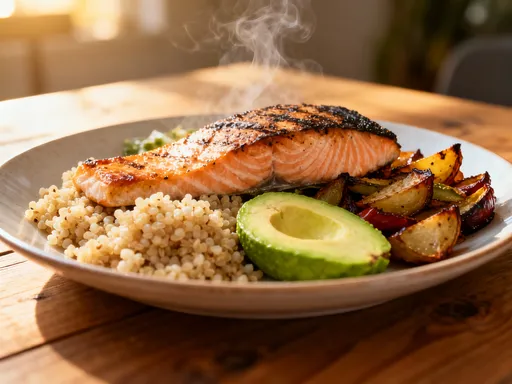
Creating balanced meals doesn’t require memorizing complex rules or measuring portions. A simple, flexible framework can guide daily choices and promote consistent energy, satisfaction, and nutrient intake. The foundation of this approach is the balanced plate model: fill half the plate with non-starchy, colorful vegetables, add a palm-sized portion of lean protein, include a source of healthy fat, and incorporate a modest amount of slow-digesting carbohydrates when needed. This visual guide is easy to remember and adaptable to various cuisines and preferences.
Vegetables should dominate the plate—not as an afterthought, but as the centerpiece. Dark leafy greens, cruciferous vegetables like broccoli and cauliflower, and colorful options such as bell peppers, carrots, and tomatoes provide fiber, antioxidants, and essential vitamins. These nutrients support digestive health, reduce oxidative stress, and contribute to glowing skin and strong immunity. Cooking methods matter too: steaming, roasting, or sautéing with a small amount of healthy fat preserves nutrients better than boiling, which can leach water-soluble vitamins.
Protein is essential for maintaining muscle mass, especially as women age and face natural declines in lean tissue. Good sources include eggs, poultry, fish, tofu, legumes, and Greek yogurt. Including protein in every meal helps stabilize blood sugar, promotes satiety, and supports tissue repair. A serving about the size of your palm is typically sufficient—more is not always better, and excess protein can be stored as fat or strain the kidneys in susceptible individuals.
Healthy fats, such as those found in avocados, olive oil, nuts, and seeds, are crucial for hormone balance, brain function, and nutrient absorption. They also add richness and satisfaction to meals, reducing the urge to snack later. A drizzle of olive oil on a salad, a quarter of an avocado on toast, or a sprinkle of chia seeds on yogurt can make a meal more fulfilling. Finally, carbohydrates should be chosen wisely. Whole grains like quinoa, brown rice, and oats, as well as starchy vegetables like sweet potatoes and squash, digest slowly and provide sustained energy. Refined grains and added sugars, on the other hand, contribute to energy crashes and should be limited. By following this framework, meals become nourishing, satisfying, and aligned with the body’s natural needs.
Smart Snacking: Combining for Sustained Energy
Snacks often derail healthy eating efforts not because they’re inherently unhealthy, but because they lack balance. Many common choices—crackers, granola bars, fruit juice, or flavored yogurt—are high in refined carbohydrates and low in protein or fat, leading to quick energy spikes followed by crashes. This pattern can increase hunger, promote overeating at the next meal, and contribute to weight gain over time. The key to effective snacking is pairing macronutrients to create stability.
A well-composed snack includes at least two of the three macronutrients: protein, fat, and fiber-rich carbohydrates. For example, an apple with a tablespoon of almond butter provides fiber from the fruit and healthy fats and protein from the nut butter, slowing sugar absorption and keeping blood glucose steady. Carrot sticks with hummus offer fiber and complex carbs from the vegetables and plant-based protein and fat from the chickpea dip. Greek yogurt with a sprinkle of cinnamon and a few walnuts combines protein, probiotics, healthy fats, and flavor without added sugar.
Portion control is easier when snacks are satisfying. A small handful of mixed nuts—about a quarter cup—delivers energy and satiety without excess calories. Pairing it with a piece of fruit creates a complete mini-meal. Cottage cheese with sliced peaches or berries offers slow-digesting casein protein and natural sweetness. Even dark chocolate (70% cocoa or higher) can be part of a smart snack when paired with a few almonds, providing antioxidants and healthy fats in moderation.
Planning ahead makes a difference. Pre-portioning snacks and keeping them accessible—such as hard-boiled eggs in the fridge or nut packs in a purse—reduces the temptation to grab whatever is convenient. These small acts of preparation support consistency and reduce stress around eating. Over time, balanced snacking becomes a natural habit, contributing to steady energy, improved focus, and better appetite regulation throughout the day.
Real-Life Adjustments: How to Make Changes Stick
Knowledge is only the first step—lasting change comes from consistent action. Many women understand what healthy eating looks like but struggle to maintain it amid busy schedules, family demands, and emotional eating patterns. The transition to better food combining works best when approached with patience and self-compassion. Rather than aiming for perfection, the focus should be on progress and sustainability. Small, incremental changes are more likely to become permanent habits than sweeping overhauls that feel restrictive or overwhelming.
One effective strategy is meal planning. Taking 20 to 30 minutes each week to review the calendar, plan a few key meals, and prepare a grocery list reduces decision fatigue and prevents last-minute unhealthy choices. Batch-cooking grains, roasting vegetables, or preparing a large salad at the start of the week makes assembling balanced meals faster during busy days. Having pre-cut vegetables, cooked lentils, or grilled chicken ready to go allows for quick, nutritious combinations even on hectic evenings.
Grocery shopping with a list—and sticking to it—helps avoid impulse buys, especially in the snack and processed food aisles. Shopping the perimeter of the store, where fresh produce, proteins, and dairy are located, naturally leads to healthier choices. Reading labels is also important: many products marketed as “healthy” contain added sugars, refined oils, or hidden sodium. Choosing whole, minimally processed foods whenever possible supports better food combining by reducing reliance on packaged meals that are often unbalanced.
When eating out, it’s possible to make smart choices without feeling deprived. Opting for grilled proteins with steamed vegetables, asking for dressings on the side, or requesting substitutions—like swapping fries for a salad—can maintain balance. Sharing a meal or boxing half immediately helps with portion control. The goal is not to be rigid, but to stay aligned with health goals while enjoying social experiences. Over time, these practices build confidence and make healthy eating feel natural, not like a chore.
Long-Term Benefits: More Than Just Physical Health
The rewards of improved dietary combinations extend far beyond physical appearance or digestive comfort. Over months and years, these habits support mental clarity, emotional balance, and resilience against daily stress. Stable blood sugar means fewer mood swings, reduced brain fog, and more consistent energy from morning to night. Women often report feeling calmer, more focused, and less reactive when their bodies are consistently fueled with balanced nutrition.
Better nutrient absorption strengthens the immune system, making it easier to fight off common illnesses. Healthy skin, strong nails, and shiny hair are common side benefits, as the body receives the vitamins and minerals needed for tissue repair and renewal. Hormonal balance—particularly important during perimenopause and menopause—is also supported by adequate protein, healthy fats, and fiber, which help regulate estrogen metabolism and reduce symptoms like hot flashes and sleep disturbances.
Perhaps most importantly, these changes foster a healthier relationship with food. Eating becomes less about restriction and more about nourishment and enjoyment. There’s no need to eliminate favorite foods—only to pair them more thoughtfully. A piece of dark chocolate after a balanced meal, a slice of whole grain bread with avocado, or a small serving of pasta with a protein-rich sauce can all fit within a healthy pattern. This approach promotes long-term adherence because it feels sustainable and realistic.
Over time, the cumulative effect of these small, daily choices creates a foundation for lasting well-being. Energy increases, digestion improves, and the body feels supported rather than burdened by food. These habits are not about following a trend or achieving a certain look—they are about honoring the body’s needs and building a life of vitality. What began as a search for more energy became a journey toward greater health, confidence, and peace. And that, more than any single meal, is the true power of eating right.